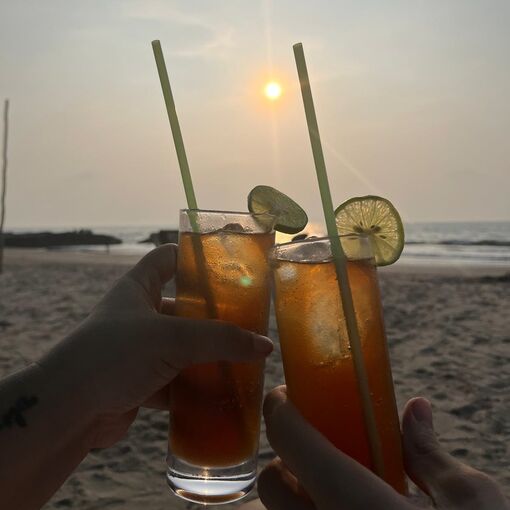
Goa Overview
The wedding celebration will take place in Goa, one of India's most iconic travel destinations. For those visiting India for the first time, Goa offers an accessible introduction to the country. English is widely spoken, making it relatively easy to navigate.
Goa is divided into two main regions—North Goa and South Goa—each offering a distinct experience:
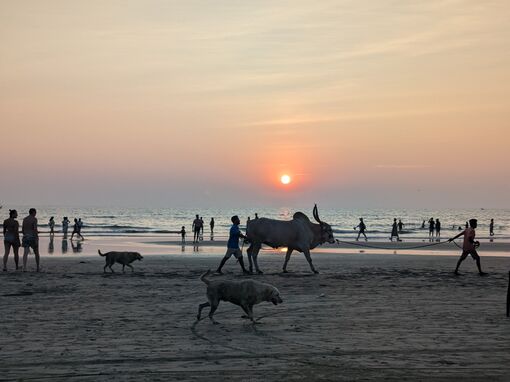
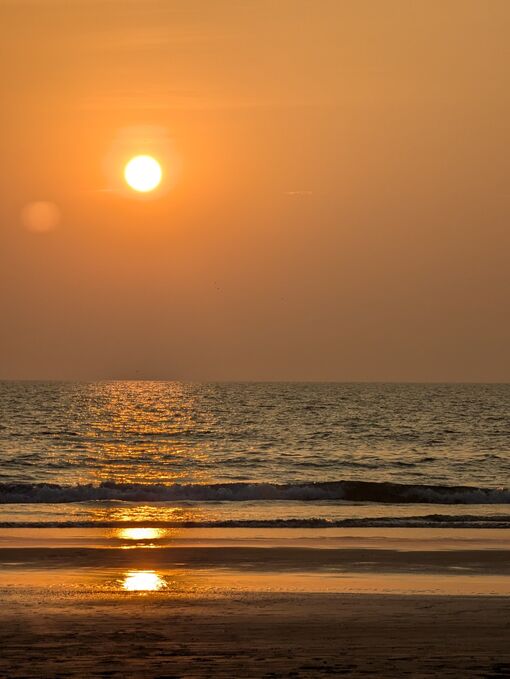
North Goa, the location of the wedding events, is known for its vibrant energy. This region features bustling beach towns, lively nightlife, trendy cafés, colorful markets, and historical sites. Well-known beaches like Baga, Anjuna, and Morjim are found here, along with Portuguese-style villages, beach clubs, and coastal forts. North Goa provides a wide variety of experiences, ideal for those seeking adventure before or after the wedding festivities.
South Goa offers a quieter, more serene atmosphere. While restaurants and beach shacks are still present, this region emphasizes relaxation, nature, and peaceful, uncrowded beaches. It is well-suited for those looking to unwind with a good book or enjoy long walks along the shore.
Recommended Stays
Historical Sites
Both Prachi and Kevin love history, and luckily, Goa has no shortage of heritage to explore. Below are some sites you might want to explore before or after our ceremony.
1. Basilica of Bom Jesus (Old Goa)
Why visit: A UNESCO World Heritage Site and one of the most revered churches in India.
Highlights: Houses the mortal remains of St. Francis Xavier; features stunning baroque architecture and intricate gilded altars.
Fun fact: The body of St. Francis Xavier is displayed every ten years during a public exposition.
2. Se Cathedral (Old Goa)
Why visit: One of the largest churches in Asia and a symbol of Portuguese religious dominance.
Highlights: Built in celebration of a Portuguese victory; the church has a majestic façade, Tuscan exterior, and Corinthian interiors.
3. Fort Aguada (North Goa)
Why visit: A well-preserved 17th-century Portuguese fort with sweeping views of the Arabian Sea.
Highlights: Features a four-story lighthouse and massive ramparts; once a key defense against Dutch and Maratha invasions.
4. Chapora Fort (North Goa)
Why visit: Popularized by Bollywood, this fort is known for its scenic views rather than military significance.
Highlights: Overlooks Vagator Beach and the Chapora River; great for sunset photos and breezy walks.
5. Reis Magos Fort and Church (North Goa)
Why visit: A recently restored gem that blends military and religious history.
Highlights: Offers exhibits on Goan history and architecture, plus panoramic views of the Mandovi River.
6. Cabo de Rama Fort (South Goa)
Why visit: Steeped in legend and offering some of the most rugged and dramatic coastal views.
Highlights: Originally a Hindu fort, later rebuilt by the Portuguese; associated with the Ramayana (hence the name "Rama").
7. Shree Mangueshi Temple (Ponda)
Why visit: One of the most prominent Hindu temples in Goa, blending tradition with colonial influences.
Highlights: A beautiful whitewashed temple dedicated to Lord Shiva, featuring a grand deepastambha (lamp tower).
8. Terekhol (Tiracol) Fort (North Goa)
Why visit: A peaceful escape with a fascinating past.
Highlights: Converted into a heritage hotel, it offers views of the Terekhol River and the Arabian Sea; formerly a strategic outpost and site of Goan freedom struggles.
9. Fontainhas Latin Quarter (Panaji)
Why visit: A living heritage area that showcases the colorful Portuguese aesthetic in everyday Goan life.
Highlights: Cobblestone streets, azulejo-tiled signs, old Portuguese villas with balconies, art galleries, and quaint cafés.
10. Archaeological Museum & Portrait Gallery (Old Goa)
Why visit: For history buffs wanting deeper insight into Goa's colonial past.
Highlights: Run by the Archaeological Survey of India, featuring ancient weaponry, portraits of Portuguese viceroys, and religious artifacts.